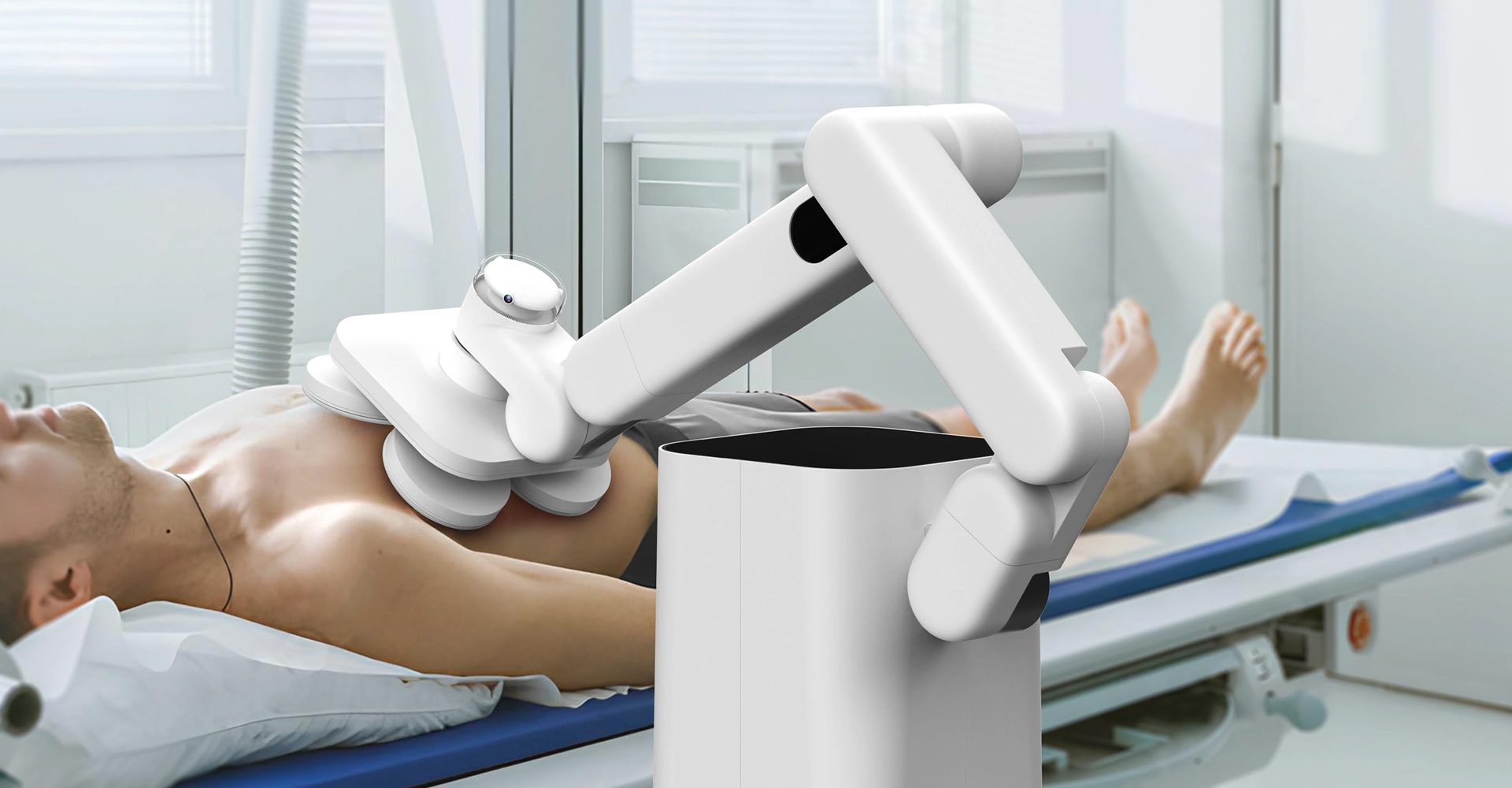
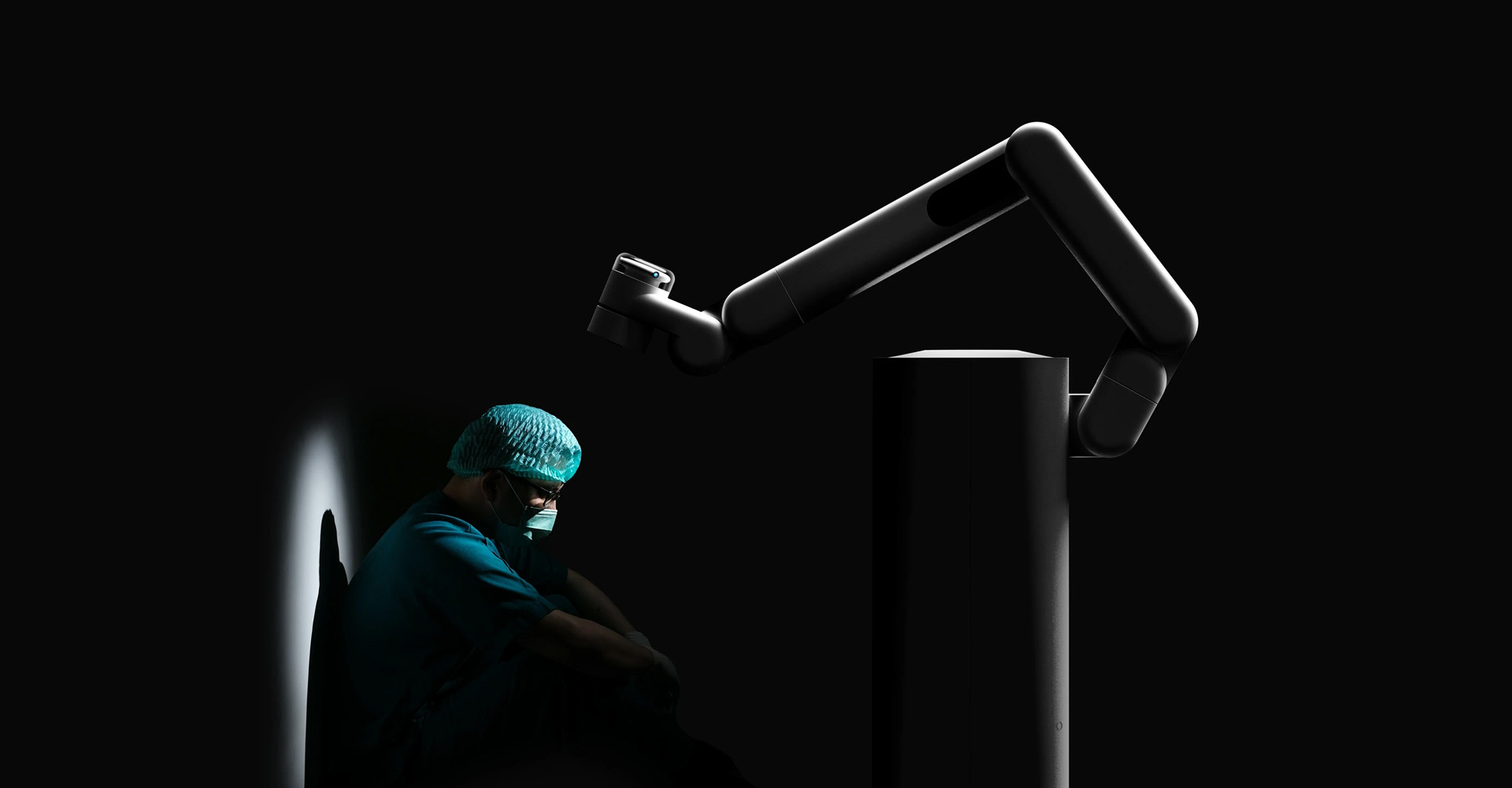
这款医疗辅助机器人的外观造型与结构设计面临多重挑战。在有限空间内实现多功能集成是核心难点,既要容纳精密驱动系统、影像采集模块和无菌操作接口,又要保证整体结构符合医疗设备的人体工程学要求。模块化组件的兼容性设计尤为关键,需确保不同功能单元既能快速拆装,又能保持系统稳定性。
Compatibility design is particularly critical for modular components; it is essential to ensure that different functional units can be quickly assembled and disassembled while maintaining system stability.
Compatibility design is particularly critical for modular components; it is essential to ensure that different functional units can be quickly assembled and disassembled while maintaining system stability.
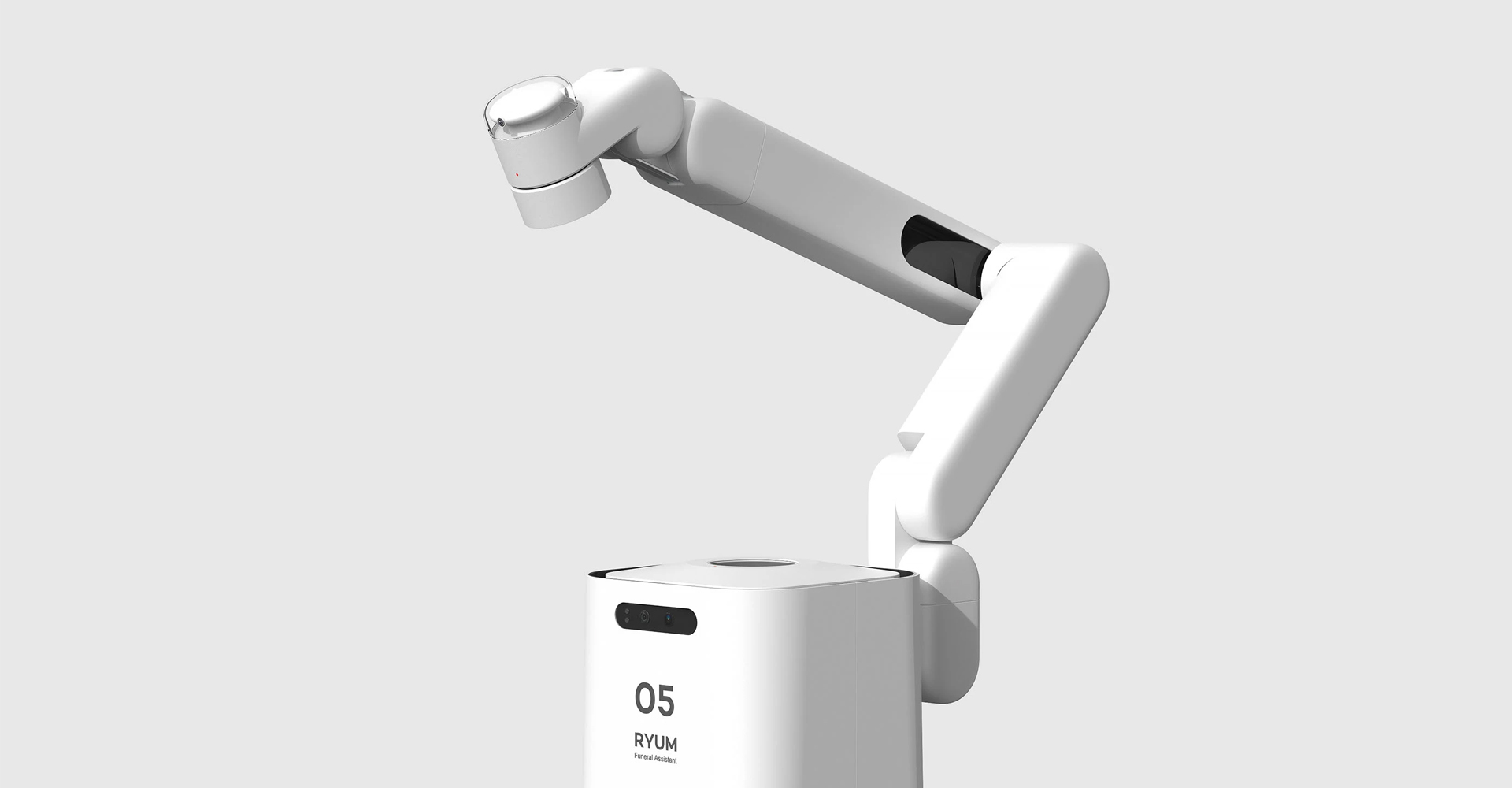
设计策略:
机器人主体采用规整的长方体结构,线条简洁流畅,边角均经过圆润化处理。这种设计不仅赋予产品柔和的视觉感受,避免了尖锐边角可能带来的安全隐患,还使其在医疗环境中显得更加亲和。机器人的整体比例协调,底部装有灵活的轮子,便于在病房、走廊等场景中自由移动,适应多样化的医疗辅助需求。
The robot’s body features a clean, rectangular design with simple, flowing lines and rounded edges. This design not only gives the product a soft visual appeal,
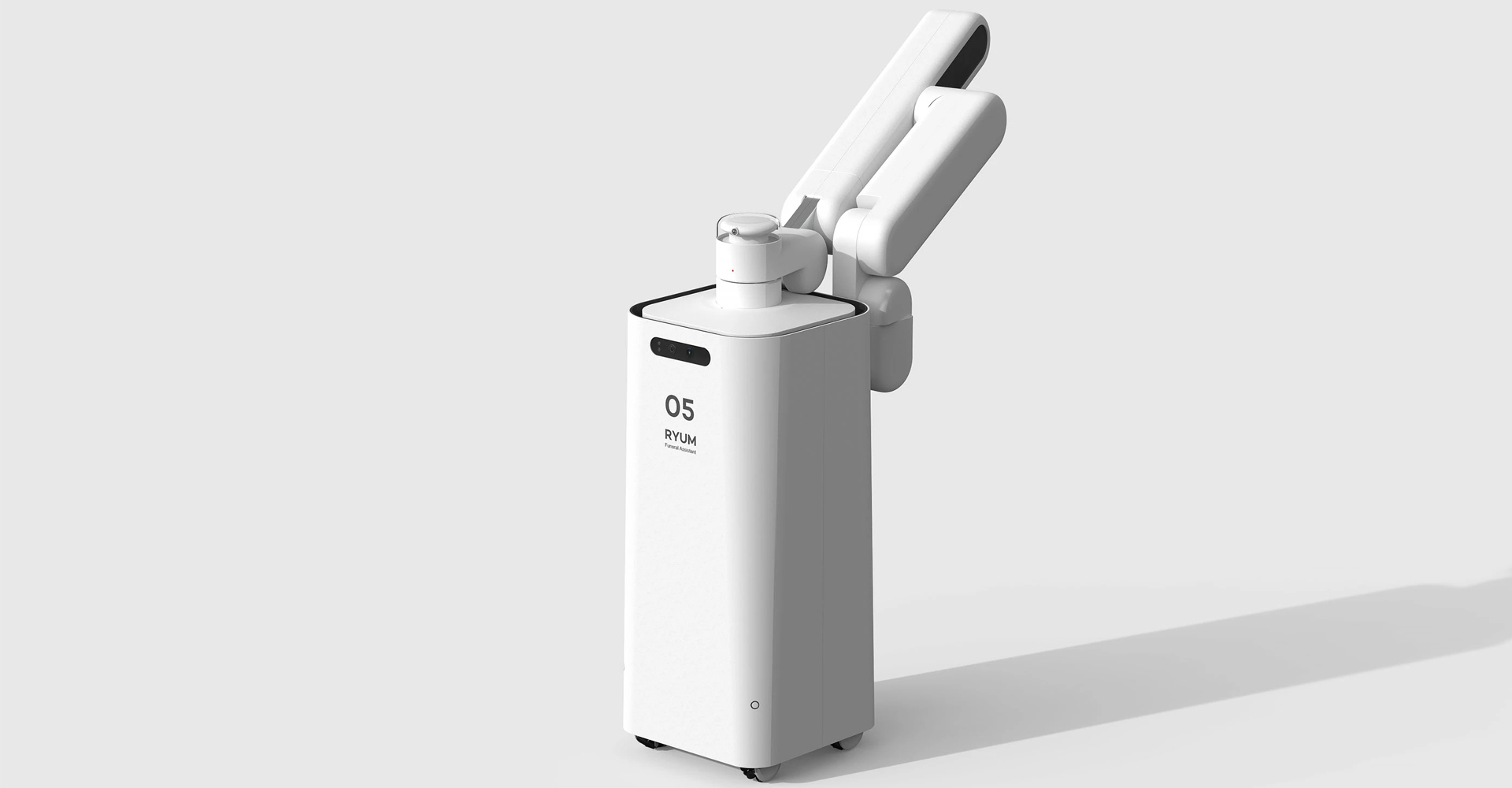
主体以纯净的白色为主色调,这是医疗设备的经典配色,能够传达出干净、卫生、专业的形象,有助于缓解患者的紧张情绪。局部细节如传感器窗口、机械臂关节等采用黑色点缀,形成鲜明的色彩对比,既突出了功能区域,又增强了产品的科技感。
The design features a clean white palette, a classic color scheme for medical equipment that conveys a sense of cleanliness, hygiene, and professionalism, helping to alleviate patients’ anxiety.
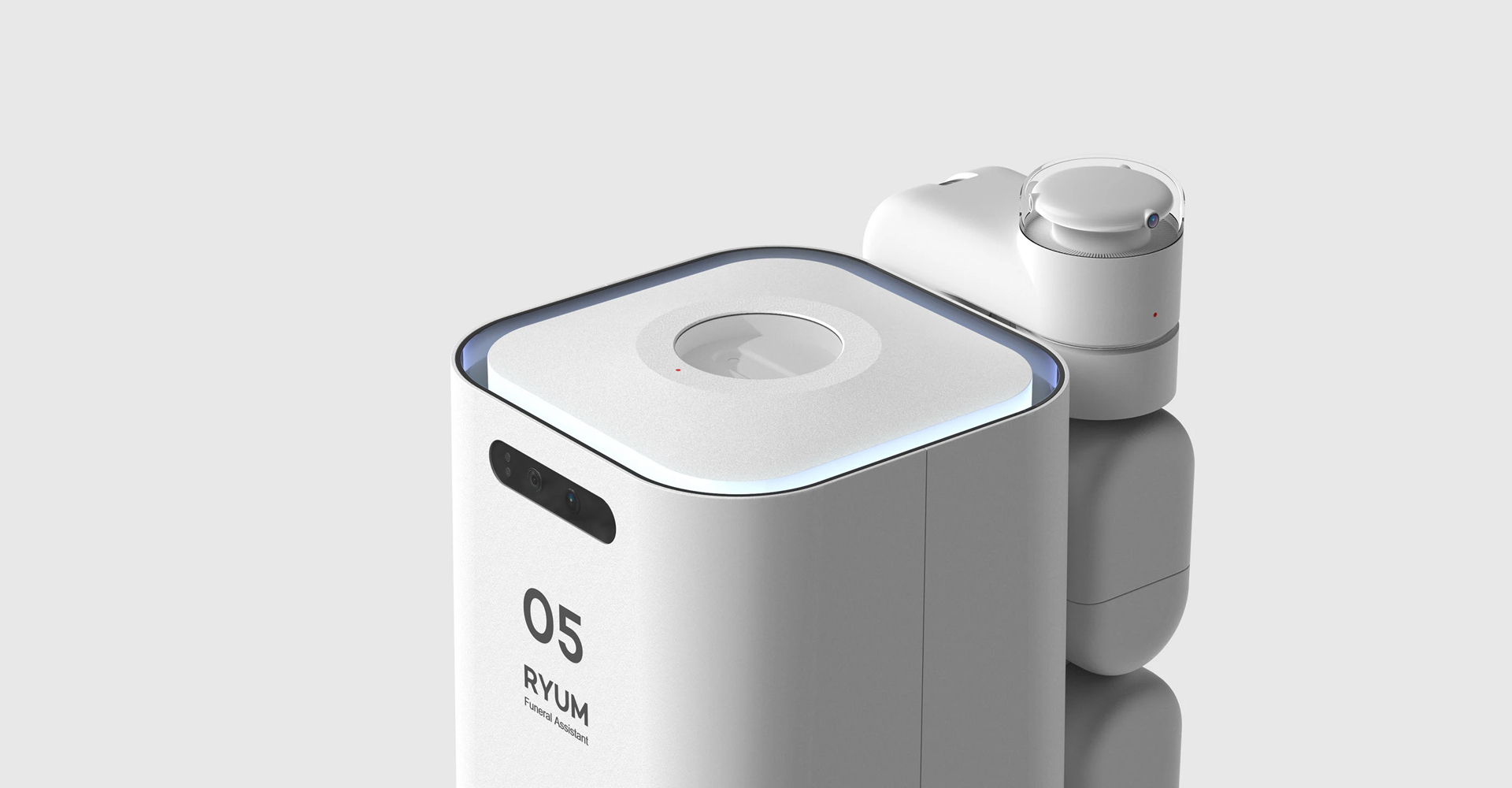
通过简洁流畅的造型、人性化的细节设计以及符合医疗环境需求的色彩搭配,既体现了现代科技感,又传递出对使用者的关怀与尊重。其设计理念不仅满足了医疗辅助的功能性需求,更在情感层面与用户建立了连接,为医疗场景带来了更多的温暖与便利。
With its clean, sleek lines, user-friendly design details, and color schemes tailored to the medical environment, it embodies a sense of modern technology while conveying care and respect for the user.